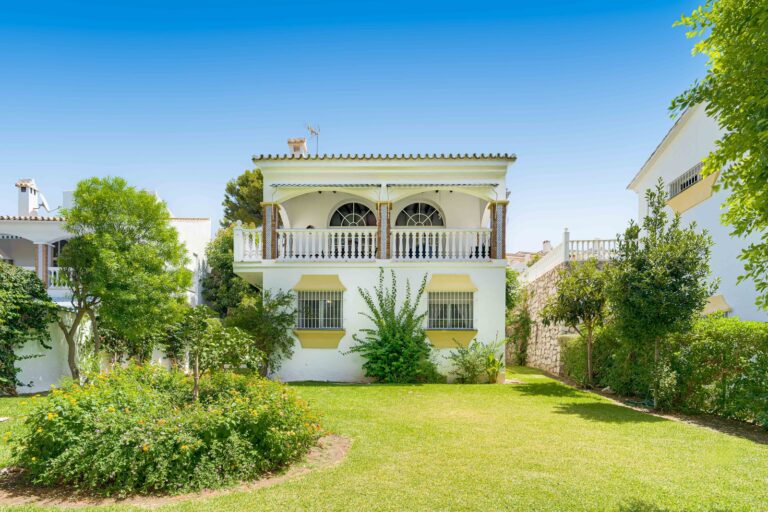
Marbella Property Viewing Trips That Create a Useful Shortlist

Definition: A Marbella viewing trip turns online interest into a clear next step
A property viewing trip to Marbella is a planned visit that helps you decide which homes and areas deserve further action after you experience them in person. Use it to compare light, noise, privacy, layout and neighbourhood fit, then leave with structured notes and a shortlist, rather than pressure to buy on the spot.
A pleasant stay can leave a buyer with a strong feeling about Marbella but no usable next action. A focused trip should produce three practical conclusions: the area or areas worth pursuing, the features that matter most to you, and the homes that merit further questions. A planned viewing trip can prevent impressions from replacing decisions when the itinerary is built around comparison rather than sightseeing.
The right area depends on your intended use. A holiday base, a seasonal stay, a family move and a purchase plan place different demands on daily life, so the visit should test the setting against your own routine rather than a general idea of Marbella. Understanding which part of Marbella fits your lifestyle and property plans gives the trip a clearer purpose.
Market figures provide context, not a verdict on an individual home. One market report put Marbella’s average asking price at €5,524 per m² in January 2026, also stated for December 2025. That is an asking-price snapshot, not a valuation, a sale price, an affordability test or a forecast. Your viewing trip is for judging whether a particular property suits your priorities in person.
Workflow: How should you structure the trip before you arrive?
Structure a Marbella viewing trip around a short, prioritised shortlist, grouped visits and a fixed note format prepared before travel. Leave reflection time after each property, because physical visits reveal space, light, noise and neighbourhood atmosphere in ways that online browsing and virtual tours cannot reproduce.
Start by writing a one-sentence brief for the purchase: for example, a lock-up-and-leave holiday home where privacy and a practical layout matter more than a wide view. Then sort listings into three groups: must-see, useful comparison and reserve. This prevents an attractive photograph from taking the place of a reasoned selection.
Build the schedule by area where possible, but do not turn geography into a rigid rule. A buyer who sees several homes back-to-back without a pause may remember the last terrace but forget how the earlier layouts felt. Cramming too many viewings into a short break can make homes blur together. Time to write, walk nearby and discuss the visit is part of the work.
Operational workflow before travel
- Set your intended use and the few features that would rule a home out.
- Create a must-see list, a comparison list and a reserve list from the available properties.
- Prepare the same observation headings for every visit.
- Allow a pause after each viewing for notes and an area check.
- Keep the final part of the trip free for revisits or a shortlist discussion.
For example, an overseas buyer on a brief visit can view a smaller number of homes and preserve a note-taking interval after each one. The gain is a sharper comparison. The cost is that some listings remain unseen, but a reserve list gives you options if a priority property falls away.
Operational workflow: What should you assess inside and around each property?
Assess each Marbella property through the same visible and experiential conditions: views, privacy, brightness, quietness, layout and everyday convenience. Write the observations immediately after leaving, using plain descriptions rather than a simple like-or-dislike verdict, so that similar online listings can be compared accurately later.
Photos can flatten the differences that become apparent in person. Two homes may look close in size and finish online, while one feels exposed despite a stronger view and another feels brighter, quieter or easier to use. In-person viewings help distinguish views, privacy, brightness, quietness and layout, all of which can be difficult to judge from listing material.
A repeatable note format
- Views: What can you see from the main living space and outdoor area?
- Privacy: Where are neighbouring windows, paths or terraces in relation to the home?
- Brightness: Which rooms feel naturally bright during your visit?
- Quietness: What sounds are noticeable inside and outside at that moment?
- Layout: Does the arrangement support how you expect to use the home?
- Convenience: Which daily movements or routines seem easy, and which seem awkward?
Add one sentence headed change from listing impression. For instance: The terrace view is stronger than expected, but the neighbouring terrace is closer than the photographs suggested. That sentence captures the trade-off while the experience is fresh. It also prevents later notes from becoming a collection of indistinct compliments.
The trip can record what you experience during the visit. It cannot establish property condition, title, tax treatment, financing approval, valuation or transaction costs. Keep those matters separate from your viewing notes.
Examples and decision criteria for turning notes into a shortlist
Turn viewing notes into a shortlist by applying your pre-set decision criteria to each recorded trade-off. Keep homes that meet your hard requirements and make their compromises visible; remove homes that fail a non-negotiable condition, even if their photographs, views or finishes made a strong first impression.
Hard exclusions are conditions you cannot accept, such as a layout that does not support the intended use or a privacy level you have already identified as unsuitable. Preferences are different. A wider view may be desirable, but it may come with less privacy. A brighter, quieter home with a more modest appearance may suit a buyer whose daily comfort depends on those qualities.
Consider two properties that appeared alike online. Property A has the stronger view but offers less privacy. Property B looks more modest, yet feels brighter and quieter, with a layout that is more convenient for the buyer’s intended routine. A buyer who has prioritised outdoor outlook may retain Property A for a second look. A buyer who has prioritised private use and easy day-to-day living may advance Property B. Neither outcome is universal; the notes reveal which compromise each choice carries.
Apply the decision criteria in order
- Remove any home that fails a hard requirement.
- Read the same six observation headings for each remaining home.
- Identify the one compromise you would make with each property.
- Choose the homes that deserve a revisit, a request for further information or continued search.
A useful shortlist is therefore a record of reasons, not a ranking based on excitement. If two homes remain close, a revisit can focus on the precise point that separates them, such as the outdoor setting, the lived feel of the layout or the privacy of the main spaces.
Risks and limits: What can a viewing trip confirm, and what must happen afterwards?
A Marbella viewing trip can confirm your experience of a home’s space, light, noise, privacy, layout and neighbourhood atmosphere at the time of the visit. It cannot itself confirm legal title, tax treatment, financing approval, valuation, property condition or transaction outcomes, so a shortlist should lead to separate, appropriate follow-up checks.
You do not need to decide to buy during the trip. The sound conclusion may be to revisit one home, request more information, refine the search brief or pause the search. Deciding under time pressure can hide the difference between a genuine match and a memorable visit. A viewing trip earns its value when it narrows uncertainty honestly.
If a potential purchase moves forward, administrative, legal, finance and tax matters require separate follow-up beyond the viewing trip. Keep these matters outside the conclusions drawn from a viewing alone.
What is the purpose of a Marbella property viewing trip?
The purpose is to turn an online shortlist into a clear next action by experiencing homes and areas in person. The trip should help you identify preferred locations, essential features and the properties worth further follow-up.
Should I decide to buy a property during my viewing trip?
No immediate purchase decision is required. A useful outcome can be a shortlist, a revisit, a request for more information or a refined search brief based on what you observed.
How many properties should I view on one trip to Marbella?
View only as many homes as you can compare with clear attention and time for notes. Avoid packing visits back-to-back if that makes the properties blur together.
What should I write down after each property viewing in Marbella?
Record views, privacy, brightness, quietness, layout, convenience and the main difference between the listing impression and the in-person experience. Use the same headings after every visit.
Can virtual tours replace a property viewing trip?
Virtual tours can help you prepare a shortlist, but they cannot reproduce being in the space or experiencing light, noise and neighbourhood atmosphere in person.
Can a viewing trip confirm legal, tax or financing matters?
No. A viewing trip can clarify your direct experience of the property, but legal title, tax treatment, financing approval, valuation, property condition and transaction outcomes require separate follow-up checks.
Your Property Concept
Our listings in Marbella and nearby
 CabopinoModern 2-Bedroom Apartment with Panoramic Sea Views in Cabopino2 bed · 2 bath · 101 m²€799,000
 Guadalmina AltaSituated in the highly sought-after area of Guadalmina Alta2 bed · 2 bath · 85 m²€439,000
 Casares PlayaCharming Three-Bedroom Townhouse in Bahía de Casares3 bed · 2 bath · 114 m²€295,000

Keep reading